
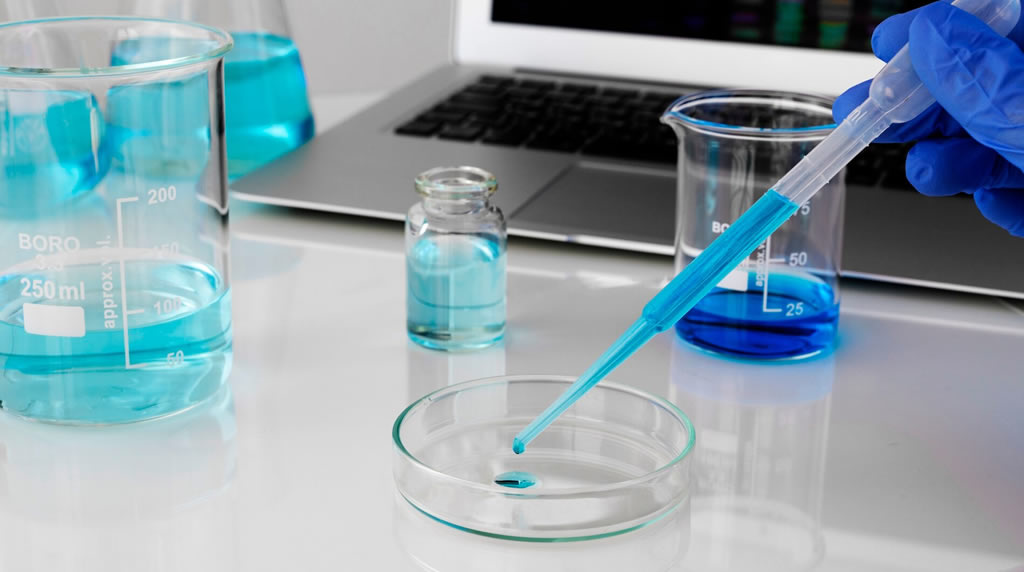
In today’s fast-paced world, access to clean and safe water is often taken for granted. Most of us simply turn on the tap, fill a glass with water, and drink without a second thought. However, the safety and quality of our drinking water can’t always be guaranteed, which is why regular water quality testing is of utmost importance. In this article, we will explore the significance of water quality testing, different water testing methods, water analysis, and quality assurance to ensure that the water we consume is safe for our health.
The Crucial Role of Water Quality Testing
Water quality testing is the process of analyzing and evaluating various parameters and characteristics of water to determine its suitability for specific uses, such as drinking, recreational activities, or industrial processes. It plays a pivotal role in safeguarding public health, protecting the environment, and supporting various industries. Let’s delve deeper into why water quality testing is crucial.
1. Health and Safety: The most obvious reason for water quality testing is to ensure that the water we consume is safe for human consumption. Contaminated water can harbor harmful microorganisms, chemicals, and heavy metals that can cause a range of health issues, from gastrointestinal problems to more severe diseases. Regular testing helps identify any potential hazards and allows for corrective action to be taken promptly.
2. Environmental Protection: Beyond human health, water quality testing is essential for the well-being of ecosystems. Pollution can have devastating effects on aquatic life, as well as on the plants and animals that rely on clean water sources. Monitoring water quality helps identify pollution sources and guides conservation efforts to protect aquatic ecosystems.
3. Compliance with Regulations: Governments and regulatory agencies establish standards and guidelines for water quality. Public water systems and industrial facilities must adhere to these regulations to ensure the safety and quality of their water.
Regular testing is necessary to demonstrate compliance and avoid penalties.
4. Quality Assurance: Water quality testing is a vital component of quality assurance for many industries, including food and beverage, pharmaceuticals, and manufacturing. Ensuring the water used in various processes meets specific standards is
critical to product quality and safety.
Water Testing Methods
Several water testing methods are employed to assess the quality of water. These methods may vary depending on the parameters being measured and the purpose of the analysis. Here are some water testing methods:
1. Chemical Analysis: Chemical testing involves assessing the concentration of various substances in water, such as dissolved oxygen, nutrients, heavy metals, and contaminants. This method is particularly important in identifying pollutants in water
bodies.
2. Microbiological Analysis: Microbiological testing focuses on the presence of microorganisms, including bacteria, viruses, and parasites. This testing is crucial for assessing the safety of water for drinking and recreational activities.
3. Physical Analysis: Physical testing measures properties like temperature, turbidity, color, and odor. These parameters provide insights into the water’s overall quality and appearance.
4. Radiological Analysis: Radiological testing assesses the presence of radioactive materials in water. This is particularly important in areas near nuclear facilities or in places where natural radioactivity is a concern.
5. Taste and Odor Testing: Taste and odor testing is used to evaluate the sensory characteristics of water. While not directly related to health, this type of testing is essential for ensuring consumer acceptance of drinking water.
Water Analysis: What to Test For
The parameters to be tested for in water quality testing vary depending on the water source, its intended use, and local regulations. However, there are some common contaminants and characteristics that are typically assessed during water analysis:
1. Microorganisms: Waterborne pathogens such as E. coli, Giardia, and Cryptosporidium can cause waterborne diseases and infections. Testing for these microorganisms is crucial to ensure safe drinking water.
2. Chemical Contaminants: Chemical pollutants may include heavy metals like lead and mercury, organic compounds such as pesticides and industrial chemicals, and inorganic substances like nitrates and sulfates. Identifying and quantifying these
contaminants helps protect human health and the environment.
3. Physical Properties: Temperature, turbidity, color, and odor are physical properties that can indicate water quality issues. High turbidity, for example, can suggest the presence of suspended solids or microorganisms.
4. pH Level: pH is a measure of the water’s acidity or alkalinity. Proper pH levels are important for the effectiveness of water treatment processes and the health of aquatic life.
5. Dissolved Oxygen: Adequate dissolved oxygen is essential for aquatic ecosystems, as it supports fish and other aquatic life.
6. Taste and Odor Compounds: Water should not have unpleasant tastes or odors, as these can make it unappealing for consumers. Testing helps ensure that water is not only safe but also palatable.
7. Radioactive Substances: In areas with a history of nuclear activity or concerns about natural radioactivity, testing for radioactive substances is essential to protect public health.
Ensuring the Safety of Drinking Water
For individuals concerned about the quality of their drinking water, there are steps that can be taken to ensure its safety:
1. Regular Testing: Consider testing your tap water regularly, especially if you rely on a private well or live in an area with historical water quality issues.
2. Use Water Filters: Install water filters that are appropriate for your specific concerns. Different filters can remove contaminants such as lead, chlorine, sediment, and microorganisms. Make sure to replace filter cartridges as recommended by the manufacturer.
3. Boiling Water: Boiling water is an effective way to kill harmful microorganisms if you suspect contamination. Boil water for at least one minute (or longer at higher altitudes) and allow it to cool before consumption.
4. Stay Informed: Keep abreast of local water quality reports and public advisories issued by your water provider. Many utilities are required to publish annual water quality reports that can be accessed online or by request.
5. Protect Your Well: If you rely on a private well, take steps to protect it from potential contamination sources, such as septic systems and agricultural runoff.
6. Conserve Water: Reducing water usage not only conserves a valuable resource but can also help maintain water quality by preventing pollution from stormwater runoff.
Conclusion
Water quality testing is a fundamental practice that safeguards public health, protects the environment, and ensures the integrity of various industries. Whether you’re concerned about the safety of your drinking water, the quality of water used in your business, or the protection of aquatic ecosystems, water quality testing is an essential tool.
Advancements in technology are making water analysis more efficient, accessible, and informative. Continuous monitoring, remote sensing, and data analysis are helping us better understand water quality and respond to challenges quickly. Individuals can take steps to protect their own water sources and stay informed about the quality of their tap water.
In a world where access to clean water is not guaranteed, water quality testing is a critical component of ensuring a safer and healthier future for us all. It provides the data and insights necessary to address water quality issues proactively, protect public health, and preserve the integrity of our environment